
Master Saleem Birthday: Why is Master Saleem called 'Master'? Story behind his name and success
Master Saleem Birthday: Popularly known as Saleem Shahzada is India's most loved Sufi and playback singers, earning fame in both the Punjabi music industry and Bollywood. Here's a look into singer's life journey.


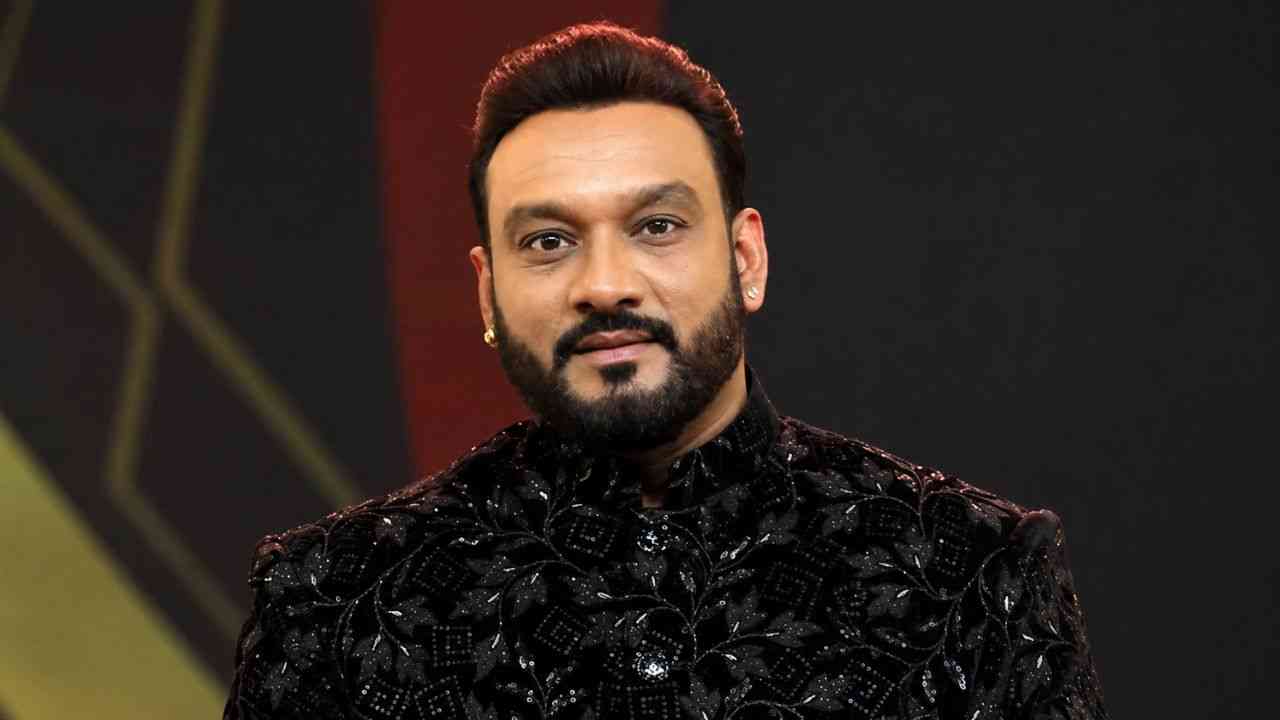
Master Saleem Birthday: Why is Master Saleem called 'Master'? Story behind his name and success
Master Saleem has been one of the most loved voices in Punjabi music for more than 3 decades now. From devotional songs and Sufi melodies to Bollywood chartbusters and energetic Punjabi dance tracks, he has proved that true talent never goes out of style. Popularly known as Saleem Shahzada, he has grown into one of India's most loved Sufi and playback singers, earning fame in both the Punjabi music industry and Bollywood.
His journey is not just about fame but also about hard work, patience, and making a successful comeback when life tested him the most.
Master Saleem's Musical Journey Began at Home
Born as Saleem Shahzada on July 13, 1980, in Shahkot, Punjab, Master Saleem was introduced to music long before he understood its importance. He was born into a family deeply connected with music. His father, Ustad Puran Shahkoti, was a respected Sufi singer, while his mother, Bibi Inder Kaur, was a renowned Indian classical vocalist.
Growing up in this environment, Saleem received rigorous training in classical, folk and Sufi music from an early age. His parents recognised his extraordinary talent and encouraged him to perform on stage while he was still a child. Those early performances shaped his confidence and laid the foundation for what would later become an extraordinary musical career.
How He Became 'Master Saleem'
The title "Master" was added to Saleem's name when he began performing as a child singer. In India, talented young male artists are often given the prefix "Master" as a mark of recognition. He got the title "Master" after his first public performance on Doordarshan Bathinda at the age of seven. Born to a Muslim father and a Hindu mother, he grew up in a family that embraced different musical and spiritual traditions. Over the years, he has become equally popular for his soulful Sufi and Bollywood songs like "Mast Kalandar" and his widely loved Hindu devotional jagrata albums.
Young Singer Who Became Punjab's Favourite Voice
Master Saleem's talent became evident at a very young age. When he was just 10 years old, he released his debut album Charkhe Di Ghook, which turned out to be a huge success. The album established him as one of Punjab's most promising young singers and earned him widespread recognition.
Soon afterwards came Dhol Jageero Da, a song that changed everything. Its energetic beats and Saleem's distinctive voice made it one of the biggest Punjabi party anthems of its time. The song became a favourite at weddings, festivals and celebrations, turning Master Saleem into a household name across Punjab.
His growing popularity also led to numerous devotional albums, folk songs and live performances, making him one of the busiest young artists in the Punjabi music industry.
Struggle That Almost Ended His Career
Success came early, but so did challenges. As Master Saleem entered his teenage years, his voice naturally began to change. The transformation affected his singing style, and the popularity he had enjoyed as a child gradually faded. Offers became fewer, and many believed his musical journey had come to an end.
However, Saleem refused to let this setback define his future. Instead of giving up, he continued practising tirelessly, sharpening his skills and waiting patiently for another opportunity.
His perseverance finally paid off in 2000, when he performed the soulful Sufi track Aj Hona Deedar Mahi Da during a New Year's programme on Doordarshan. The performance reminded audiences of his remarkable talent and marked the beginning of an impressive comeback.
Around the same time, he also released several successful devotional albums, including Mela Maiya Da, Aj Hai Jagrata, Meri Maiya, and Darshan Kar Lao, reconnecting with listeners through spiritual music.
Turning Point That Changed Everything
Master Saleem's second innings gained momentum when Punjabi singer Jasbir Jassi introduced him to music director Sandeep Chowta, who invited him to record Sajni for Sony Music's album Teri Sajni.
Biggest breakthrough, however, came unexpectedly.
Music trio Shankar-Ehsaan-Loy heard one of Saleem's live performances at the famous Devi Talab Mandir in Jalandhar, which was being telecast on a religious television channel. Impressed by the depth and power of his voice, they invited him to sing Mast Kalandar for the Bollywood film Heyy Babyy (2007).
The song became a massive chartbuster and introduced Master Saleem to audiences across India.
Master Saleem's Hit Songs That Made Him a Star
Following his Bollywood debut, Master Saleem delivered one memorable hit after another, proving that he could sing everything from devotional music and Sufi songs to energetic dance numbers.
Some of his most popular Bollywood songs include Mast Kalandar, Maa Da Ladla (Dostana), Tashan Mein, Aahun Aahun (Love Aaj Kal), Humka Peeni Hai (Dabangg), Shakira (No Problem), Chamki Jawani (Yamla Pagla Deewana), and Rola Pe Gaya (Patiala House).
His Punjabi discography is equally impressive, featuring memorable songs such as Peerh, Jind Mahi, Sajni, Charkhe Di Ghook, and numerous devotional and Sufi albums that continue to resonate with audiences.
Whether performing emotional ballads, folk songs or high-energy dance tracks, Saleem's powerful vocals have always been his greatest strength.
Awards, Recognition and Ungoing Legacy
Master Saleem's contribution to Indian music has earned him several prestigious honours, including awards for Best Playback Singer and Best Folk Pop Vocalist in Punjabi music.
Beyond awards, his biggest achievement is the love and respect he has received from audiences. His live concerts are known for their energy, and his ability to connect emotionally with listeners has made him one of the most admired performers in the industry.
Despite decades of success, Saleem remains deeply connected to his roots and often credits his parents and musical upbringing for everything he has achieved.
'Dhol Jageero Da' Returns in Carry On Jatta 4
More than two decades after becoming a Punjabi classic, Dhol Jageero Da made a spectacular comeback in Carry On Jatta 4, released in July 2026.
The recreated version features the powerful voices of Gippy Grewal and Master Saleem, along with an energetic rap by Agsy. Composed by Gourov Dasgupta and produced by Ishaan Saxena, the new version successfully blends modern production with the original song's timeless energy.
Rather than simply recreating a hit, the makers paid tribute to one of Punjabi music's most iconic party songs while introducing it to a new generation of listeners.
Master Saleem's journey is much more than a story of musical success. It is the story of a child prodigy who faced rejection, rebuilt his career through determination, and emerged stronger than ever.
From Charkhe Di Ghook and Dhol Jageero Da to Bollywood blockbusters and the latest version of Dhol Jageero Da in Carry On Jatta 4, Master Saleem has consistently reinvented himself while staying true to his musical roots.
- PTC PUNJABI

Popular Posts
-

Rakhi Sawant breaks down into tears during her song launch 'Jhootha'; Watch Video
-

Oscars 2023; When, Where and How? Everything you need to know about this years Academy Awards
-

Diljit Dosanjh praises Parineeti Chopra; says 'film ch kamaal kam kita'
-

Harinder Singh Sidhu: A dose of entertainment with YouTuber-actor-producer Dxx
-

'Kali Jotta': Neeru Bajwa, Satinder Sartaaj's film ticket prices reduces; available at Rs 112