
Did success turn Rajesh Khanna and Amitabh Bachchan to rivals?
Did success make Rajesh Khanna and Amitabh Bachchan rivals? Discover the untold story behind Bollywood’s two biggest legends.


Did success turn Rajesh Khanna and Amitabh Bachchan to rivals?
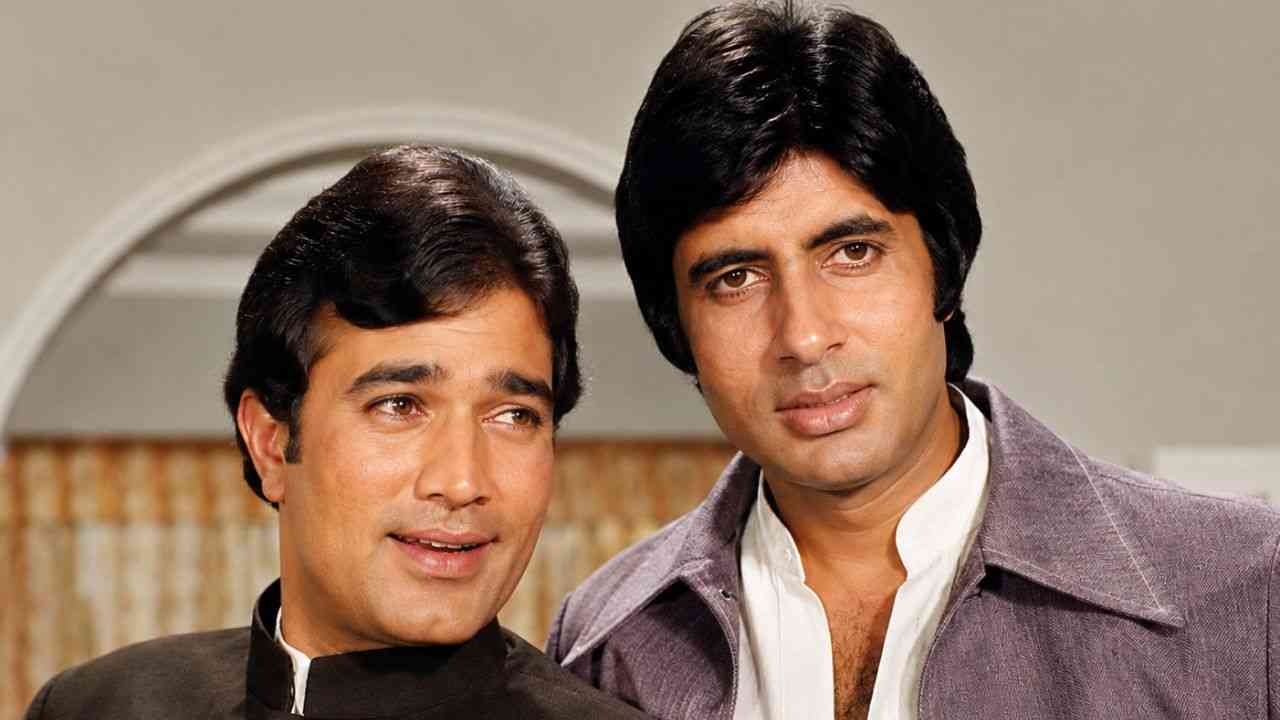
Hindi cinema has seen countless stars, but only a few have shaped entire eras. Among them stand Rajesh Khanna and Amitabh Bachchan two towering figures whose careers intersected during a transformative phase in Bollywood. Often framed as rivals, their relationship was far more layered, shaped by shifting audience tastes, the unpredictability of fame, and deeply human emotions.
The era of Rajesh Khanna
Before the term “superstar” became commonplace, Rajesh Khanna embodied it. Rising to prominence in the late 1960s, he wasn’t merely successful he was a cultural phenomenon. His soft-spoken charm, emotional performances, and romantic appeal connected deeply with audiences.
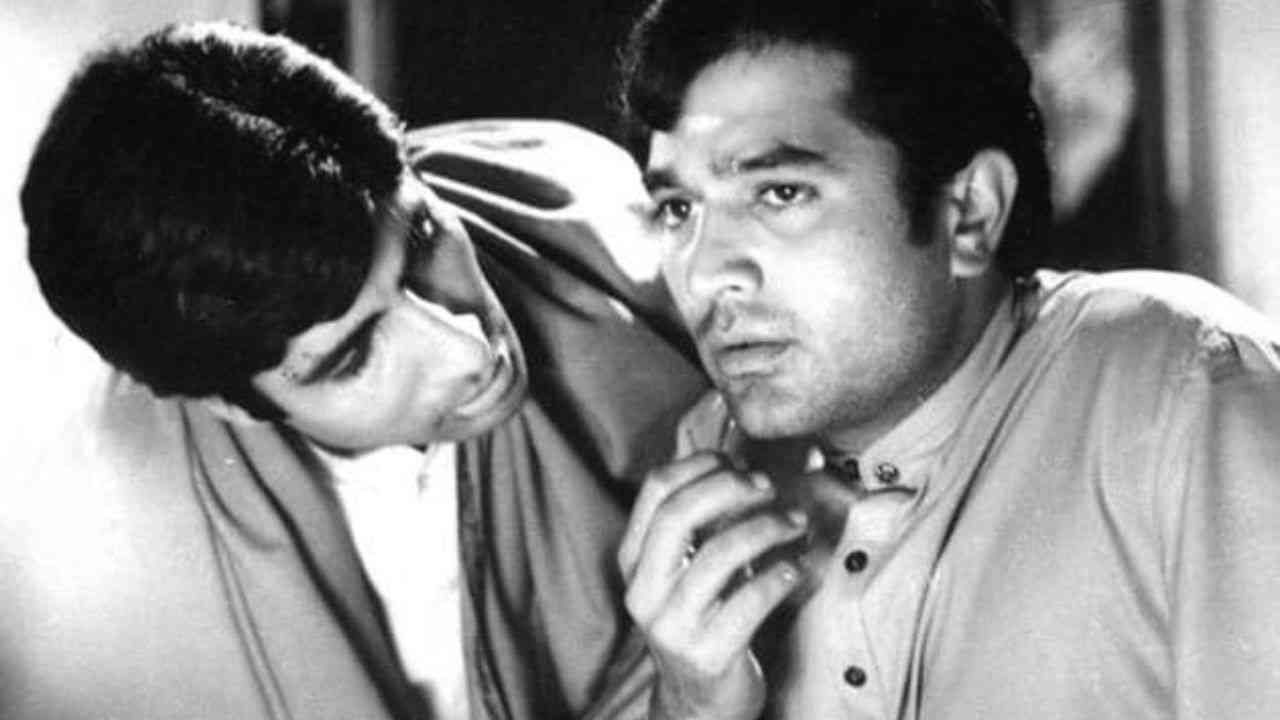
Khanna delivered a remarkable streak of hit films, creating a level of fan frenzy that bordered on devotion. He came to symbolize romance, sensitivity, and cinematic magic. Yet, as with all art forms, cinema evolves alongside society and change was inevitable.
Emergence of new 'hero'
The 1970s brought a shift in India’s social and economic landscape. Audiences began seeking stories that reflected unrest, struggle, and realism. The romantic hero started to feel disconnected from the times.
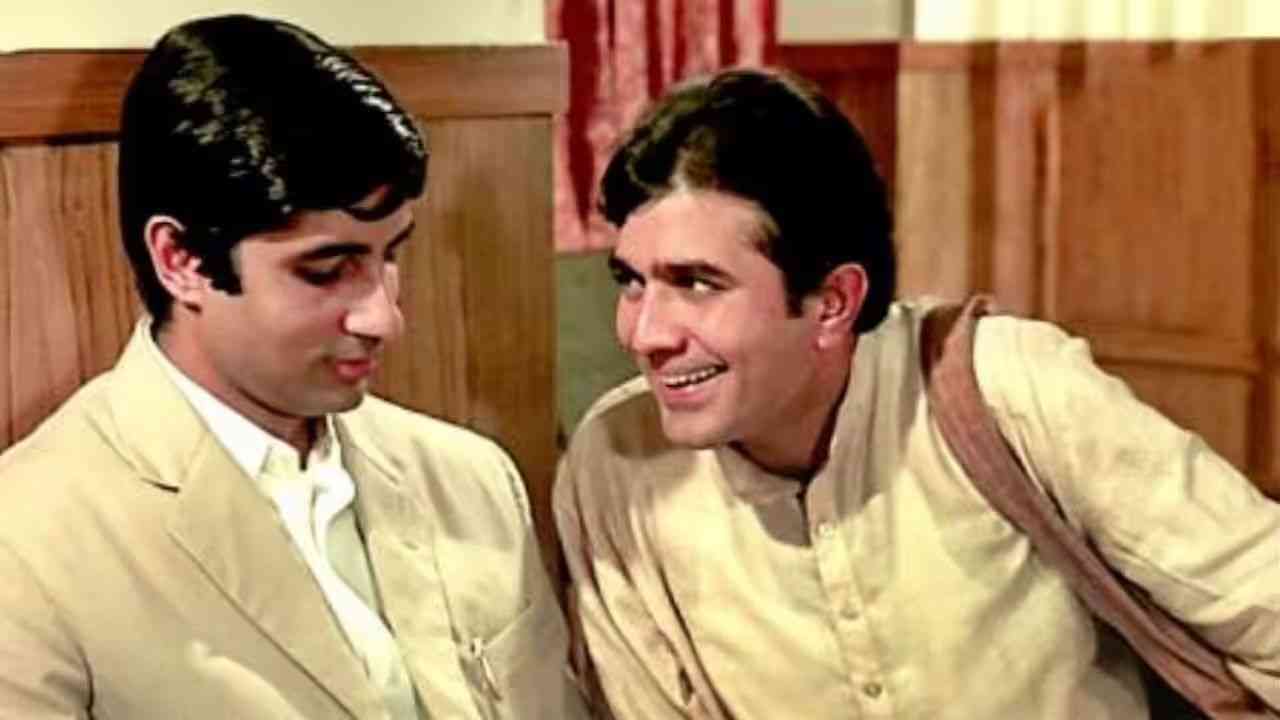
This changing climate gave rise to Amitabh Bachchan. With his intense screen presence and portrayal of the “angry young man,” Bachchan introduced a new kind of hero one who embodied rebellion, frustration, and resilience. His characters resonated with the common man, marking a sharp departure from the world Khanna had dominated. Bollywood’s definition of a leading man began to transform almost overnight.
Admiration mixed with jealousy
Contrary to popular belief, the dynamic between Rajesh Khanna and Amitabh Bachchan was not purely of rivalry. Rajesh Khanna also appreciated Amitabh Bachchan publicly at times about his talent and performances.
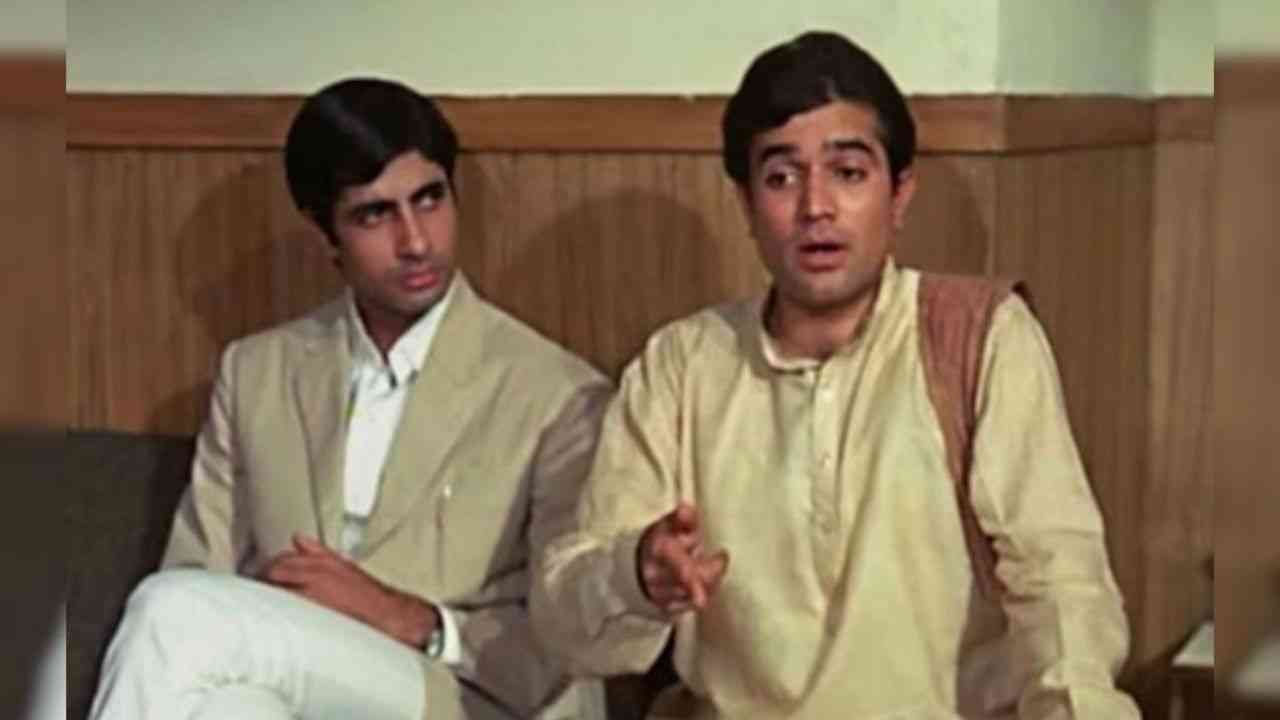
However, admiration coexisted with discomfort. As Bachchan’s popularity soared, Khanna faced the difficult reality of a changing industry where he was no longer at the center. Feelings of envy emerged not simply from rivalry, but from the emotional challenge of witnessing another actor succeed in a space he once ruled.
Turning Point
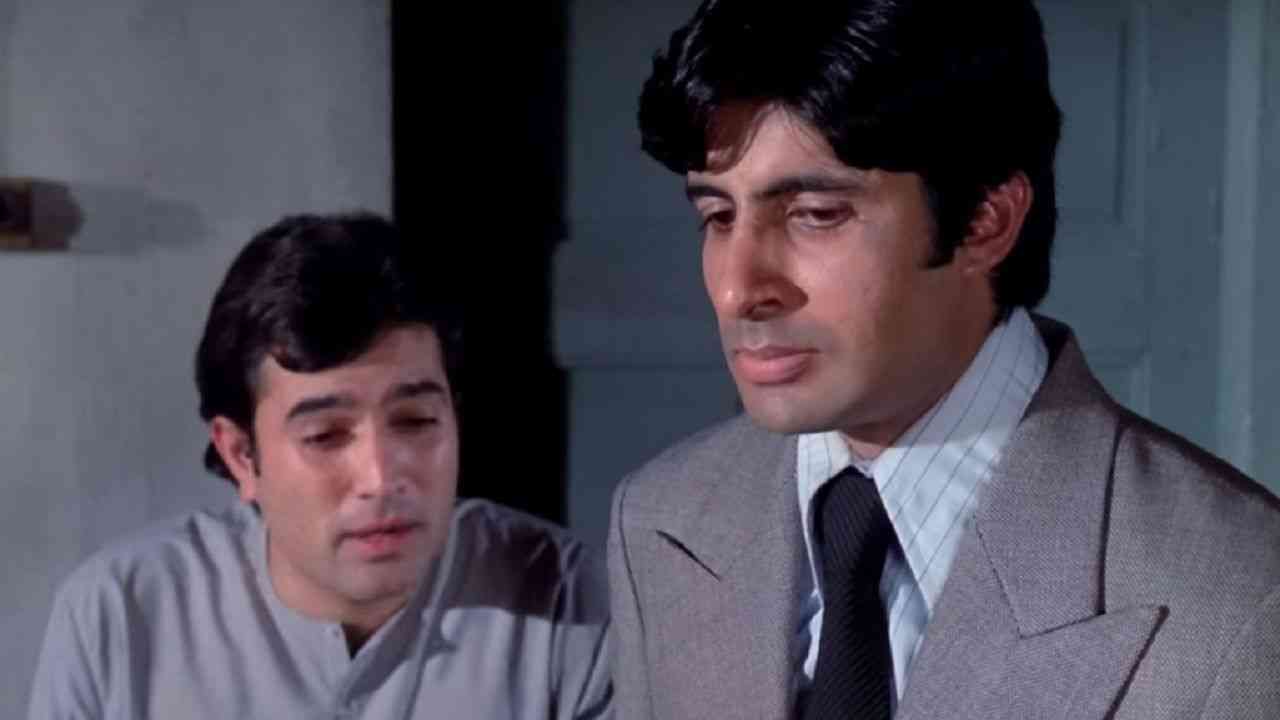
A defining moment in their shared journey came when they appeared together in the film Anand. While both actors delivered memorable performances, the film became a benchmark for comparison.
Despite Khanna’s established stardom, Bachchan’s performance garnered significant attention, signaling a subtle yet important shift in audience perception. Behind the scenes, creative differences reportedly added strain, making the film not just a collaboration, but a turning point in their professional relationship.
Distance and unspoken tension
Following their collaboration, the two actors never shared screen space again. There were no public confrontations or overt hostility, but a noticeable distance developed.
This silence spoke volumes. It hinted at unresolved tension shaped by evolving careers and personal sensitivities. Later reflections from Khanna revealed a nuanced perspective he admitted to moments of envy but also recognized parallels in their journeys, suggesting a mix of acceptance and introspection.
Emotional weight of stardom
For Rajesh Khanna, transitioning from being the industry’s most adored star to navigating a changed cinematic landscape was deeply personal. As audiences gravitated toward action-driven narratives, his established image began to lose its earlier impact.
On the other hand, Amitabh Bachchan’s career was defined by adaptability. His willingness to evolve ensured not just success, but longevity, allowing him to remain relevant across decades.
Legacy that continues
Today, both actors are celebrated not for any perceived rivalry, but for their lasting contributions to Indian cinema. Rajesh Khanna remains Bollywood’s original superstar the first to experience mass adulation on an unprecedented scale.
Amitabh Bachchan, meanwhile, stands as a testament to reinvention and endurance, continuing to influence generations. Together, their stories form a powerful narrative not just of two stars, but of an industry evolving with time, audience, and culture.
- PTC PUNJABI




Popular Posts
-

Rakhi Sawant breaks down into tears during her song launch 'Jhootha'; Watch Video
-

Oscars 2023; When, Where and How? Everything you need to know about this years Academy Awards
-

Diljit Dosanjh praises Parineeti Chopra; says 'film ch kamaal kam kita'
-

Harinder Singh Sidhu: A dose of entertainment with YouTuber-actor-producer Dxx
-

'Kali Jotta': Neeru Bajwa, Satinder Sartaaj's film ticket prices reduces; available at Rs 112