
Delhi Lieutenant-Governor Taranjit Singh Sandhu Releases Tarun Chopra’s ‘Golden Temple: An Oasis of Spirituality’
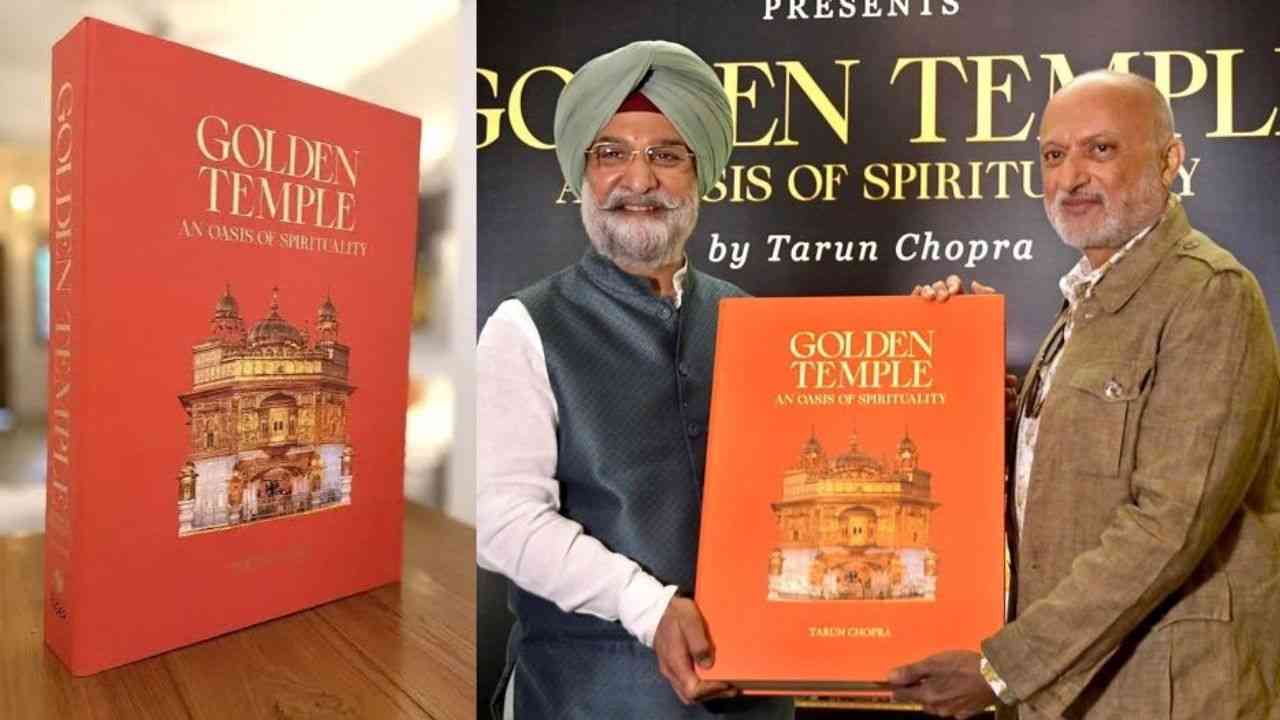
Delhi Lieutenant-Governor Taranjit Singh Sandhu releases Tarun Chopra’s Golden Temple: An Oasis of Spirituality, a limited-edition book capturing the shrine’s architecture, rituals, devotees and spiritual heritage.


Delhi Lieutenant-Governor Taranjit Singh Sandhu Releases Tarun Chopra’s ‘Golden Temple: An Oasis of Spirituality’
Renowned photographer Tarun Chopra's years-long association with Sri Harmandir Sahib has resulted in an elaborate visual record of the Golden Temple in the form of a limited-edition book, Golden Temple: An Oasis of Spirituality.
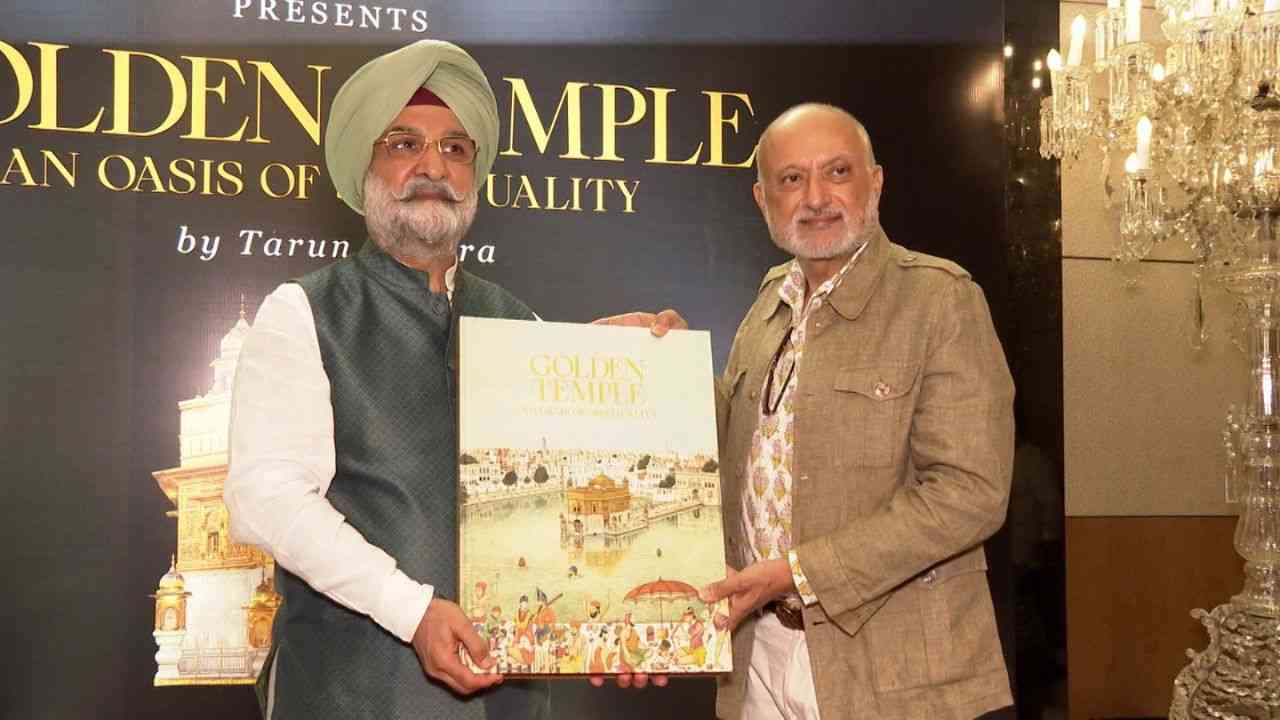
The 256-page volume, published by Speaking Tiger, was released on Sunday by Delhi Lieutenant-Governor Taranjit Singh Sandhu at a well-attended event in the national capital. The book brings together Chopra's photographs documenting the shrine's architecture, craftsmanship, rituals, devotees and the changing atmosphere around the sacred Sarovar.
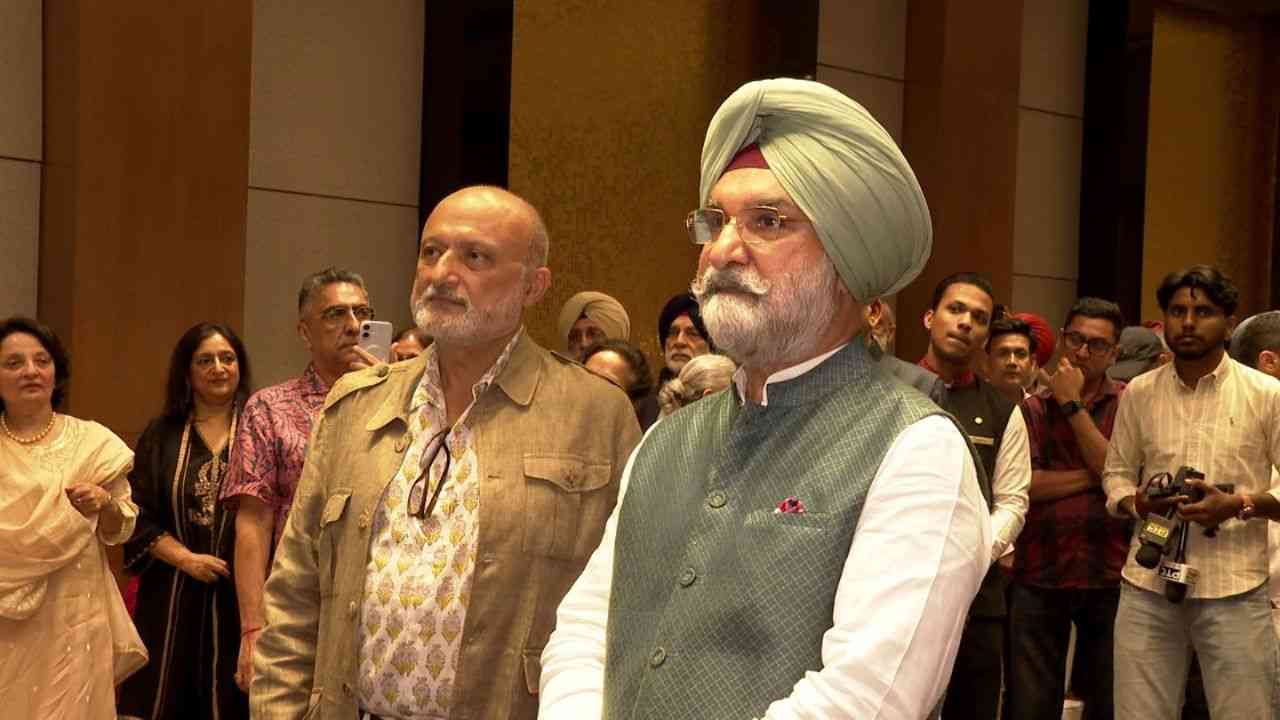
For Chopra, the project was not simply an exercise in photography. It involved years of observation, patience and repeated visits, allowing him to capture Harmandir Sahib at different hours of the day and under changing light. The result is a visual journey that attempts to present the Golden Temple not only through its celebrated golden facade but also through the quieter moments of faith and devotion that take place around it every day.
Years of Photography Behind the Project
Chopra's photographs form the heart of Golden Temple: An Oasis of Spirituality. His work follows the shrine as it changes with the movement of light, weather and time, with the reflection of Harmandir Sahib appearing and disappearing in the waters of the Sarovar.
The photographer has also turned his lens towards details that can often escape the attention of visitors. The book captures elements of the shrine's intricate craftsmanship, including Naqqashi engravings, stone inlay, gold relief work and artefacts that are rarely seen.
Alongside the grandeur of the monument, Chopra's photographs focus on people. Devotees absorbed in prayer, pilgrims moving through the complex and individuals performing sewa at the community kitchen become an important part of the visual narrative.
Book Shaped by Patience and Observation
Speaking at the launch, Sandhu acknowledged the scale of Chopra's work and the effort that went into creating the volume.
Chopra also explained the pricing of the book by pointing to the years of work involved in the project and the many technical and production requirements associated with creating such a large-format photographic volume.
The book is priced at more than Rs 1.46 lakh per copy, with 1,000 limited-edition copies available.
While appreciating the project, Sandhu suggested that the price should be reduced so that more people could access the work.
“This is a great book that brings the Golden Temple closer to the people, but my suggestion to the publishers and the author is to lower its price,” Sandhu said at the packed event.
Sandhu Highlights Personal Connection With Golden Temple
Sandhu also spoke about his personal and family connection with the Golden Temple. He recalled that his grandfather, Teja Singh Samundri, is the only ordinary Sikh in whose memory an SGPC hall in the Golden Temple complex has been named.
Teja Singh Samundri played a significant role in the Gurdwara Reform Movement and the Civil Disobedience Movement. Sandhu's association with the shrine, therefore, extends beyond its religious and historical importance and is also linked to his family's connection with Sikh history.
Beyond the Golden Facade
One of the defining features of Chopra's work in the book is its attempt to look beyond the familiar image of the Golden Temple.
Rather than limiting the visual narrative to the shrine's exterior, the photographs move through its rituals, architecture and everyday life. The changing reflections in the Sarovar, intricate artistic details, ceremonial practices and expressions of devotees collectively create a broader portrait of Harmandir Sahib.
The book also captures the relationship between the monument and the people who visit it, showing how prayer, service and community life remain central to the experience of the shrine.
The book is divided into six chapters, giving the visual narrative a historical and spiritual framework.
It opens with the Sikh Gurus, before moving into the history and architectural evolution of Sri Harmandir Sahib. Another section explores the significance of the Akal Takht, an important institution in Sikh tradition.
A particularly detailed chapter focuses on Palki Sahib and documents the daily journey of Guru Granth Sahib in a complete pictorial sequence. The photographs follow the sacred routine from Amrit Vela, when Guru Granth Sahib is carried from the Akal Takht to Sri Harmandir Sahib, to late at night when it is taken back to Kotha Sahib.
Through this sequence, Chopra documents a daily ritual that has continued to form an integral part of the spiritual life of the shrine.
Four Doors Symbolise Equality and Universal Welcome
At the launch, Sandhu also spoke about the symbolism of Harmandir Sahib's four doors, which open towards all four directions.
He said the four entrances reflect the Sikh principle that the divine and spiritual realm belongs equally to everyone, without distinctions based on caste, creed or religion. He also referred to the Sikh principle of 'Sarbat da Bhala', or the welfare of all.
The Golden Temple and its Sarovar remain a major source of spiritual inspiration for devotees from India and around the world. The installation of Guru Granth Sahib, compiled by Guru Arjan Dev in 1604, established Harmandir Sahib as the spiritual centre of Sikhism.
Collector's Volume With an Immersive Format
The book has been designed as a substantial collector's edition. Its hardbound cover features an intricate 19th-century miniature painting depicting the rhythms of faith and everyday devotion around Harmandir Sahib.
Its large format allows Chopra's photographs to occupy the pages with considerable visual space. Fine paper, detailed printing and the arrangement of photographs and text have been used to complement the grandeur of the subject.
The physical experience of the book is therefore closely tied to its photographic narrative. Its large pages encourage the reader to move slowly through the images, taking in details of architecture, ritual, craftsmanship and human emotion.
Tarun Chopra's Visual Offering to the Golden Temple
With Golden Temple: An Oasis of Spirituality, Tarun Chopra has brought together years of photographic observation in an attempt to document the Golden Temple in its many dimensions.
The book moves from the grandeur of the gilded shrine to the reflection of its image in the Sarovar, from intricate craftsmanship to daily rituals, and from moments of ceremony to the quiet expressions of devotees engaged in prayer and sewa.
Published as a limited-edition volume, the book represents a detailed photographic documentation of one of Sikhism's most important shrines. More than a collection of images, it presents Chopra's sustained visual engagement with Harmandir Sahib and the spiritual life that surrounds it.
- PTC PUNJABI





Popular Posts
-

Rakhi Sawant breaks down into tears during her song launch 'Jhootha'; Watch Video
-

Oscars 2023; When, Where and How? Everything you need to know about this years Academy Awards
-

Diljit Dosanjh praises Parineeti Chopra; says 'film ch kamaal kam kita'
-

Harinder Singh Sidhu: A dose of entertainment with YouTuber-actor-producer Dxx
-

'Kali Jotta': Neeru Bajwa, Satinder Sartaaj's film ticket prices reduces; available at Rs 112