
How Sahnewal's Harman turned his room into a museum of Pre-Partition Punjab with more than 200 rare objects?
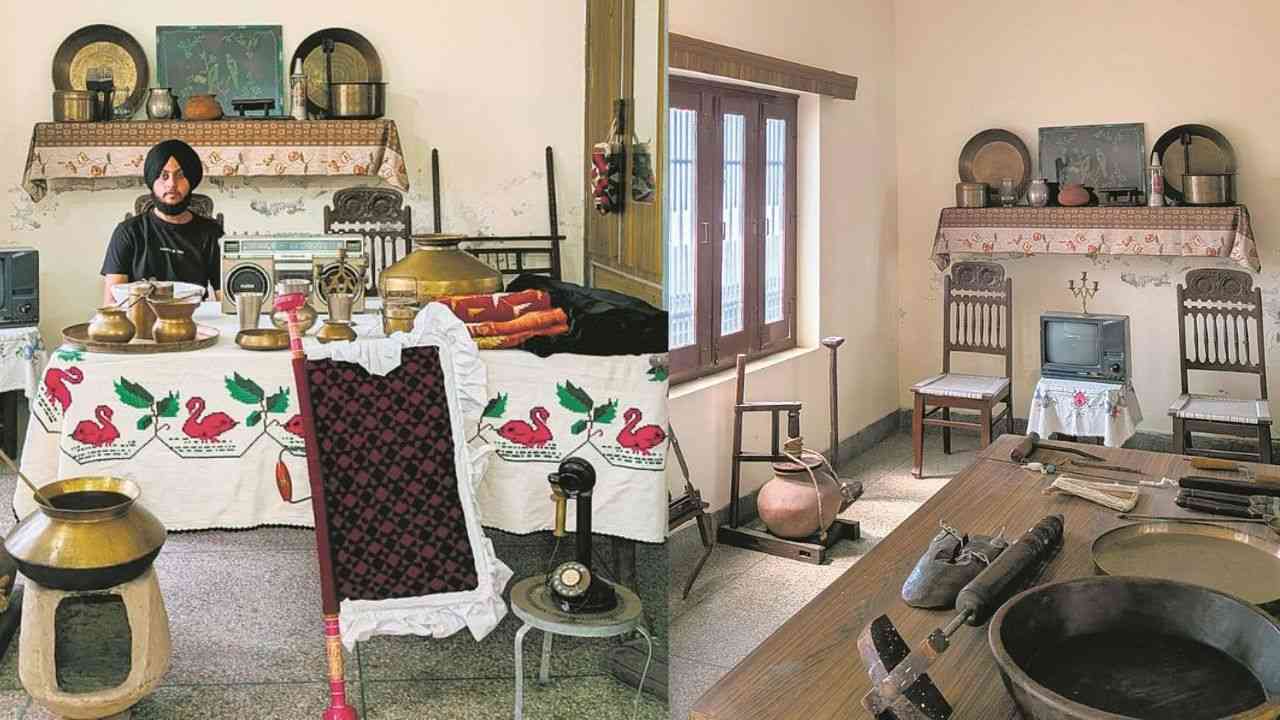
Meet Harman, a BA final-year student from Doraha, Punjab, who has preserved 200+ rare objects from pre-Partition Punjab and turned his room into a museum of Punjabi heritage.


How Sahnewal's Harman turned his room into a museum of Pre-Partition Punjab with more than 200 rare objects?
Some memories are not written in books. They sit quietly inside old trunks, hang from wooden walls, hide in dusty attics and wait inside forgotten utensils. For many, these objects may look like nothing more than scrap. But for Harman, every old object carries a piece of Punjab that should never be forgotten.
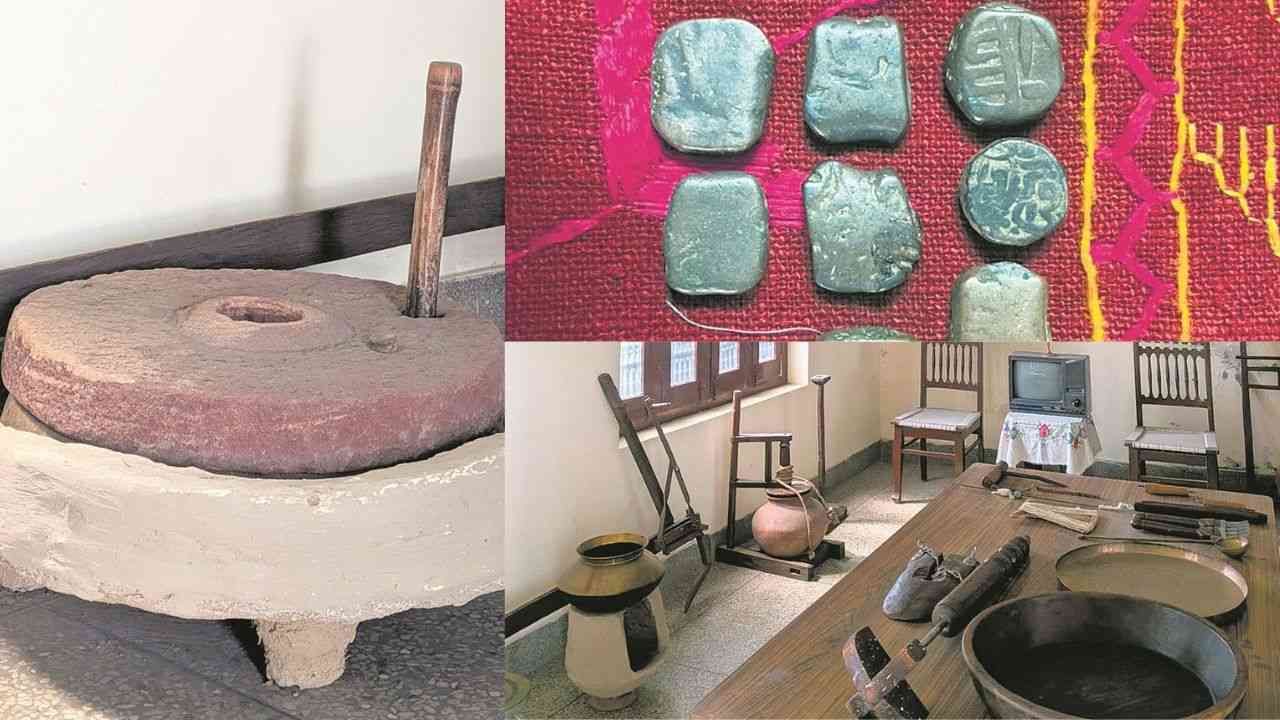
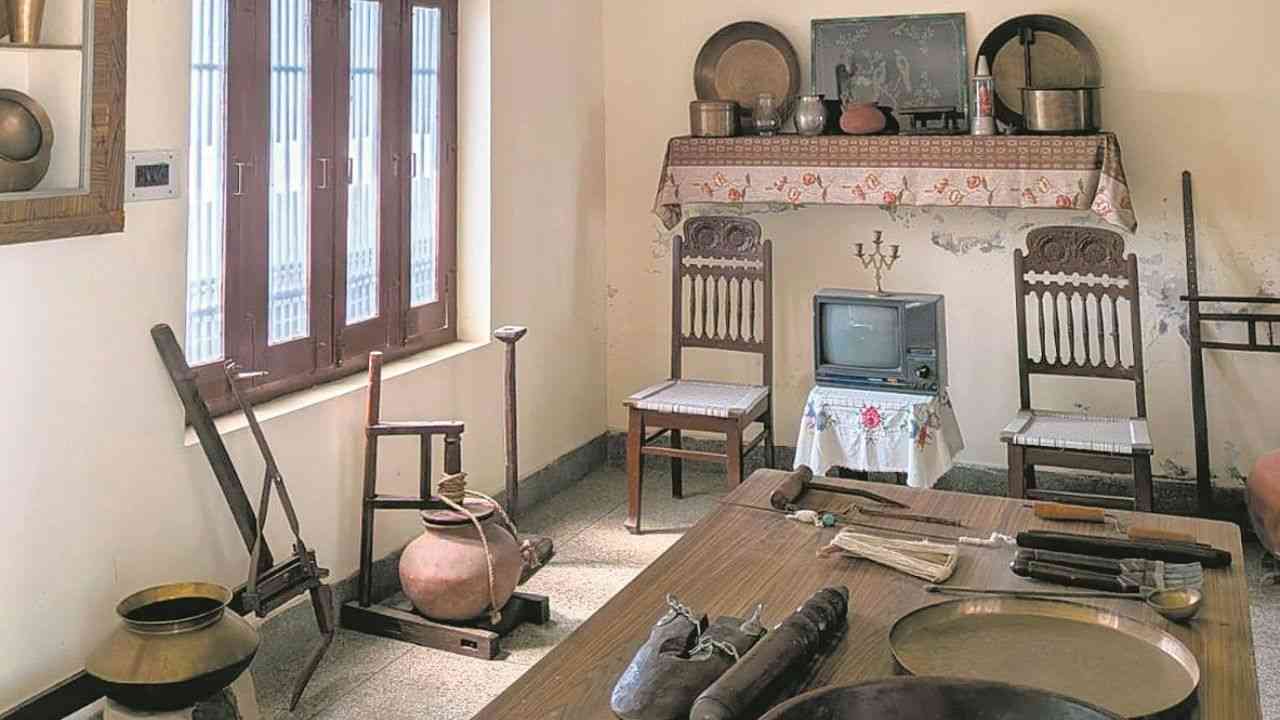
At Harnampura village in Sahnewal, one small room has become a doorway to that lost world. Filled with a century-old charpai, a wooden charkha, age-old coins and many other treasures, the room belongs to Harman, a BA final-year student at a college in Doraha. He has preserved more than 200 rare objects from pre-Partition Punjab, turning his personal room into a museum of memories.
Childhood Encounter With History
Harman’s passion for collecting old things began when he was in Class VII. His school had organised an exhibition where he came across rusted coins, a wooden charkha and beautiful phulkaris. Something about those forgotten objects immediately fascinated him. When he returned home, he opened his grandmother’s trunk. What he found there made the past feel much closer.
Inside were the white bridal cloth worn by his grandmother during her anand karaj, his great-grandmother’s black ghagra, a heavy brass baltohi gifted by his great-great-grandmother and an antique brass tauba.
From that day onwards, Harman began looking at old objects differently. Where others saw age and dust, he saw stories, memories and a connection with the Punjab of another time.
Saving What Was Being Thrown Away
Harman began collecting things that people were discarding as scrap. He brought a baltohi from a scrap dealer, discovered a torn phulkari in an attic and found a coin in a demolished house.
Over time, his collection grew into a rare glimpse of pre-Partition Punjab. It includes centuries-old damda and taka coins, bagh phulkaris with dense hand-dyed embroidery, hand-woven khes, dariyan and carpets, heavy brass kitchenware, agricultural tools and household articles. But Harman’s relationship with these objects does not end with collecting them. He takes special care to preserve them.
Preserving More Than Objects
Harman avoids using chemicals to clean or polish his collection because he does not want the original sheen of the objects to be lost. Instead, he follows the traditional method used by his grandmother, cleaning utensils with lemon, tamarind and ash. The bagh, phulkari and khes are washed gently, dried in the shade and wrapped in white muslin cloth to protect them from sunlight, dust and insects. For Harman, preserving these things is a way of keeping their stories alive.
Letting The Next Generation Touch History
Harman does not keep his collection locked away only for himself. He invites children from his neighbourhood to visit his room. Before entering, they remove their shoes, just as they would before entering a holy place. Harman then introduces them to a world they may otherwise never experience.
He allows them to touch the objects, spin the charkha and understand how food was once cooked in a baltohi. He also tells them about bagh and phulkari and the occasions on which they were traditionally worn.
Passion His Family Now Understands
His close friend Dilpreet Singh considers Harman quite different from others his age. While many remain glued to their mobile phones, Harman spends his time searching for antique pieces that can be saved. His mother also says that he cares for the collection like a family member. He can spend three to four hours simply cleaning a baltohi.
Initially, she had been hesitant about keeping old objects at home, believing they were only scrap. But watching her son treat them with such love and respect changed her mind. Today, when she finds someone selling old utensils as scrap, she brings them home for Harman’s collection.
And perhaps that is what makes Harman’s little museum special. It is not simply a room filled with old things. It is a room where memories have been rescued, traditions have been respected and a forgotten Punjab has been given another chance to speak.
- PTC PUNJABI




Popular Posts
-

Rakhi Sawant breaks down into tears during her song launch 'Jhootha'; Watch Video
-

Oscars 2023; When, Where and How? Everything you need to know about this years Academy Awards
-

Diljit Dosanjh praises Parineeti Chopra; says 'film ch kamaal kam kita'
-

Harinder Singh Sidhu: A dose of entertainment with YouTuber-actor-producer Dxx
-

'Kali Jotta': Neeru Bajwa, Satinder Sartaaj's film ticket prices reduces; available at Rs 112