Who was Bashir Badr? The poet who turned pain into poetry
Bashir Badr passes away at 91 on May 28th, the Padma Shri awardee made Urdu poetry accessible to ordinary readers with his simple, heartfelt ghazals. His life story is as moving as the verses he left behind.
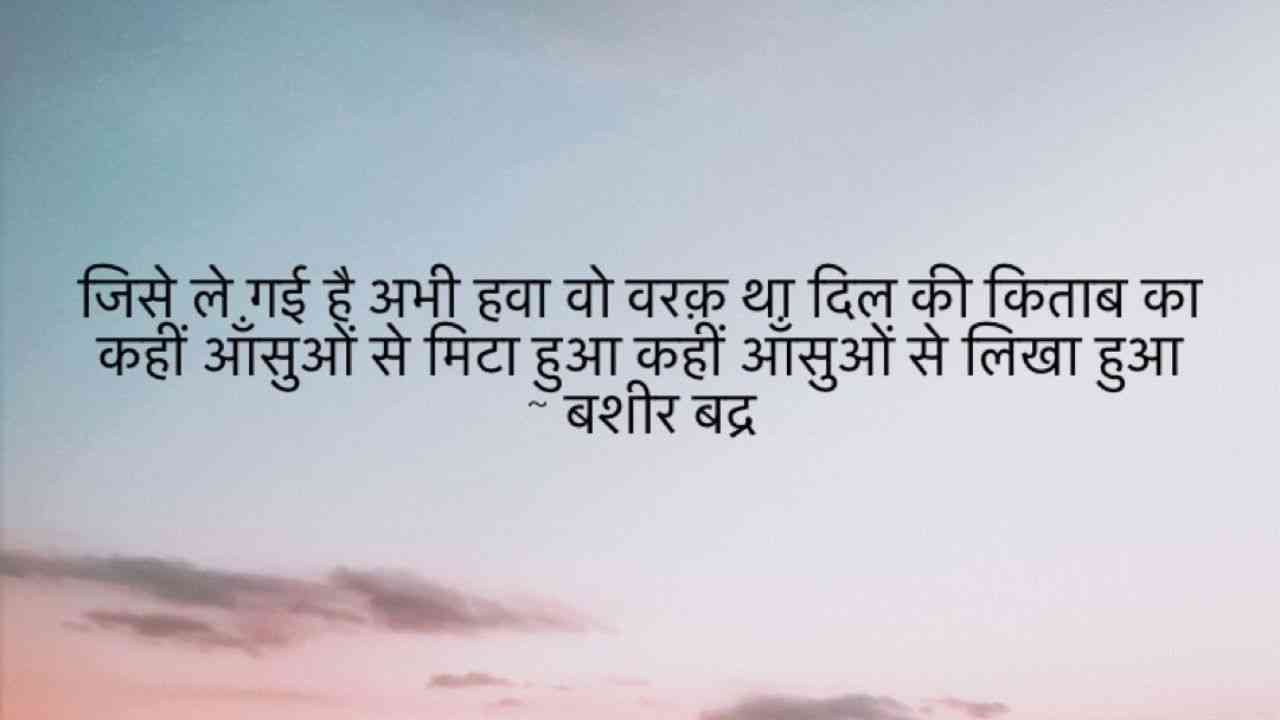
"Ujale apni yaadon ke hamare saath rehne do,
Na jaane kis gali mein zindagi ki shaam ho jaye."
Bashir Badr death news: The irony of Bashir Badr's life is hard to miss. The poet who spent decades writing about memories, love, and human emotions eventually lost his own memories to dementia. On Thursday, the beloved Urdu poet passed away in Bhopal at the age of 91 after a long battle with age-related ailments. Yet even as memory left him, his words remained alive in the hearts of millions. When news broke that Bashir Badr had passed away, it felt like the end of an era in Urdu poetry. The celebrated poet had been battling dementia and age-related illnesses for several years.
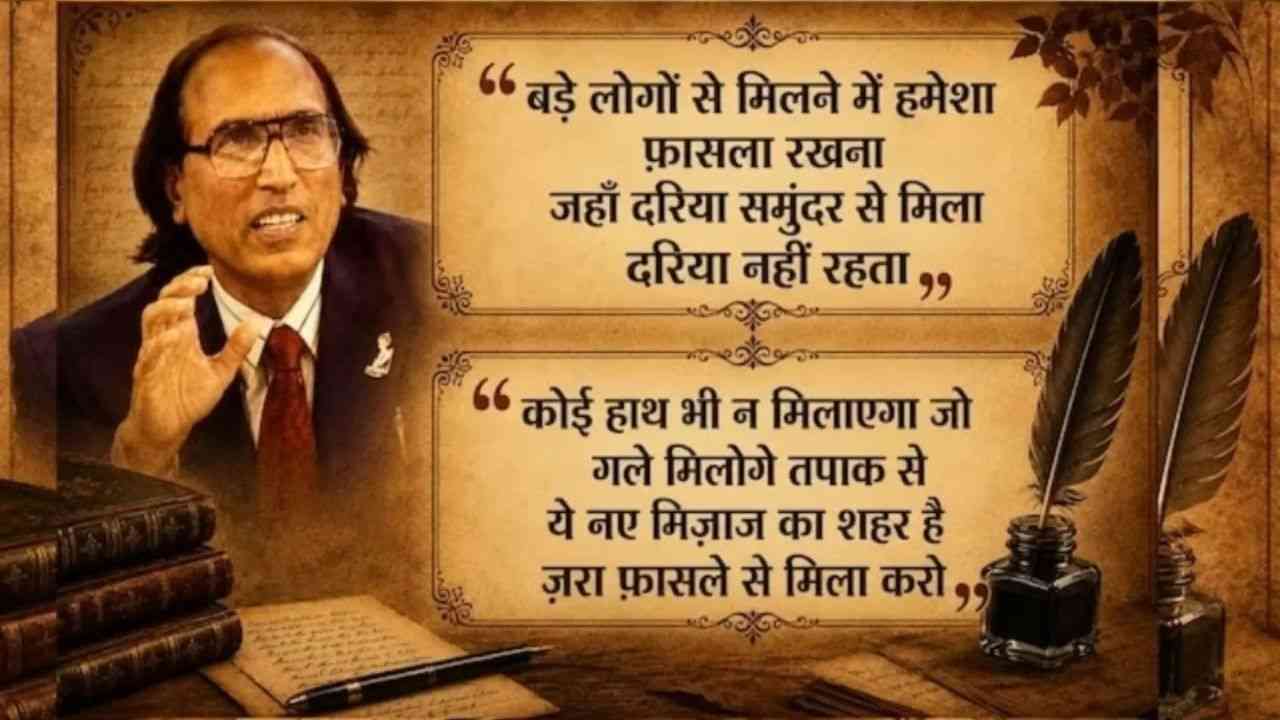
Who was Bashir Badr? All you need to know about the Urdu poetBorn as Syed Mohammad Bashir on February 15, 1935, in Kanpur, Bashir Badr's roots traced back to present-day Ambedkar Nagar in Uttar Pradesh. His father worked in the police department, and frequent transfers meant the family often moved from one town to another.
His childhood was far from easy. The death of his father during his school years brought unexpected responsibilities. To support himself, he briefly worked in the police department. However, literature continued to draw him in a different direction. Poetry had already become a part of his life, and he was determined to pursue it despite the challenges.
Scholar, Teacher and PoetBadr's dedication to education never faded. He completed higher studies, earned a doctorate in Urdu literature, and built a successful academic career. His association with Aligarh Muslim University strengthened his literary foundations, and later he joined Meerut College, where he headed the Urdu Department for nearly 17 years. By then, his poetry had begun reaching audiences across India and Pakistan. What set him apart was his ability to express complex emotions through simple words. Whether he wrote about love, separation, companionship, or hope, readers found a piece of their own lives in his verses.
Unlike many poets who relied on difficult language, Bashir Badr spoke directly to the heart.
The most painful chapter of his life came in 1987 during the Meerut riots. At the time, he lived in a beautiful bungalow that contained his life's savings, valuable books, personal diaries, and years of handwritten poetry.
When violence engulfed the city, his house was looted and set on fire. Everything he had carefully preserved over the years was destroyed. Degrees, manuscripts, rare collections, and treasured memories were reduced to ashes in a matter of hours.
The tragedy left him devastated. For a long time, he withdrew from writing and public life, struggling to come to terms with the loss.
Vishal Bhardwaj's Extraordinary GestureAmid this darkness came an act of remarkable kindness. A young Vishal Bhardwaj, then a college student and a frequent visitor to Bashir Badr's home, had memorised many of the poet's ghazals. When the original manuscripts were lost in the fire, Bhardwaj recreated nearly 90 percent of those poems from memory and handed them back to Bashir Saheb. It was a rare gift that helped preserve a significant part of the poet's work and offered comfort during one of the most difficult periods of his life.
New Beginning in BhopalFollowing the riots, Bashir Badr spent some time in Bareilly before moving to Bhopal on the advice of friends. The city's calm environment and vibrant literary culture helped him recover emotionally. Over the years, he received several prestigious honours, including the Padma Shri. But his biggest achievement was something no award could measure. He made Urdu poetry accessible to everyone and brought ghazals out of literary circles into everyday conversations.
The Poet who lives onBashir Badr's life was a journey through loss, resilience, love, and renewal. He witnessed personal hardships, communal violence, success, recognition, and eventually illness. Every experience found its way into his poetry.
Today, the poet may be gone, but his words continue to comfort, inspire, and connect people across generations. His memories may have faded in his final years, but the memories he created through poetry will endure for decades to come.
"Musafir hain hum bhi, musafir ho tum bhi,Kisi mod par phir mulaqat hogi."