
Why the Internet can’t stop talking about ‘Cockroach Janta Party’?
The Cockroach Janta Party is trending online but what is the buzz around the viral trend. According to many users, the trend is more about meme culture and internet humour than actual anti-democracy sentiment.


Why the Internet can’t stop talking about ‘Cockroach Janta Party’?
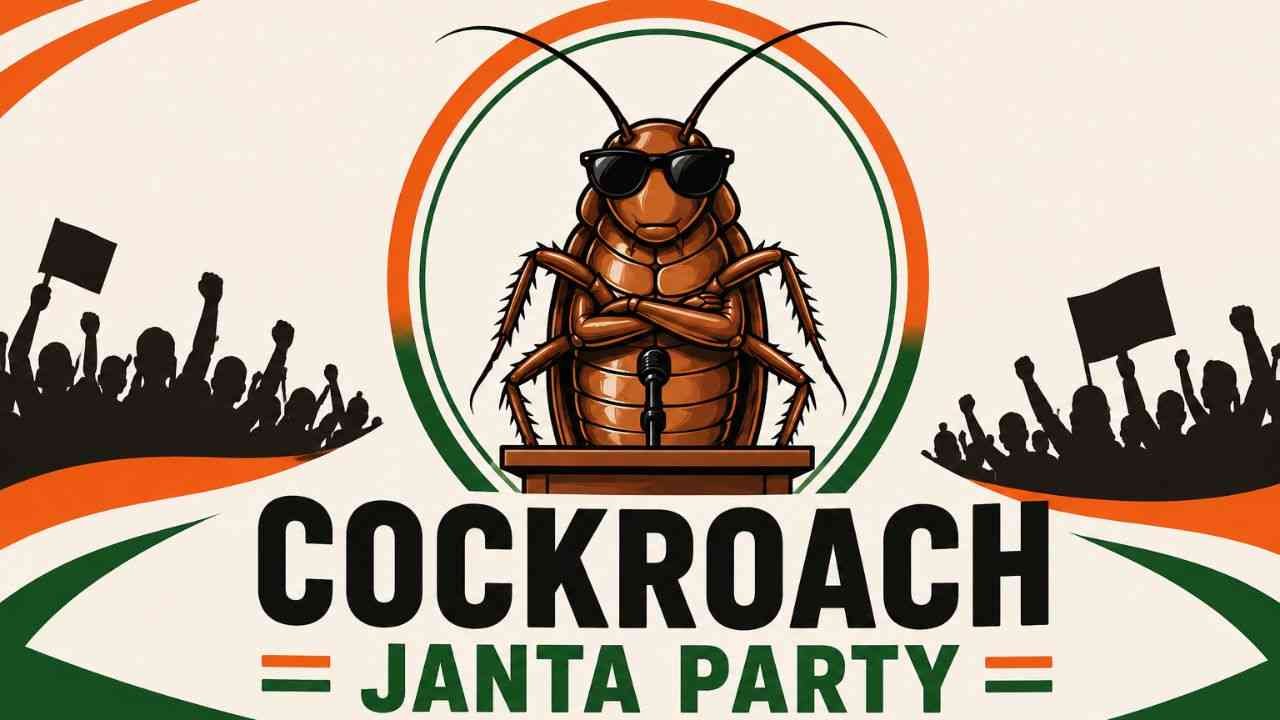
Social media is no stranger to viral trends, but the rise of the "Cockroach Janta Party" or CJP has surprised even regular internet users. In just a few days, the satirical page exploded across Instagram and X, collecting more than 15 million followers and becoming one of the most talked-about online movements in India. What started as a joke filled with memes and sarcasm has now turned into a much bigger conversation around youth frustration, internet culture and political expression.
The page’s rapid popularity has also raised an interesting question are young people simply enjoying another viral meme trend, or are they using humour to express deeper dissatisfaction with the system around them? Either way, the Cockroach Janta Party has clearly struck a chord online.
_efa022e5bb3ed8e87b3396382670f41f_1280X720.webp)
What is the buzz behind Cockroach Janta Party?
The Cockroach Janta Party was launched on May 16 by Abhijeet Dipke, a 30-year-old Boston University graduate. Its rise grabbed even more attention after the word “cockroach” entered public debate following controversial remarks reportedly made by India’s Chief Justice Surya Kant during a hearing last week. He allegedly compared unemployed young people drifting towards journalism and activism with “cockroaches” and “parasites”. The remarks sparked criticism online, after which he clarified that he was referring only to people with “fake and bogus degrees” and not India’s youth in general. Soon after, social media users began reclaiming the term through memes, satire and the viral Cockroach Janta Party trend.
The name itself grabbed attention instantly. By using the “cockroach” as its symbol, the movement playfully suggested survival, adaptability and resilience in difficult situations. Unlike traditional political messaging, CJP communicates in the language of internet users short jokes, sarcastic posts and highly shareable content. That relatable and unfiltered tone is one of the biggest reasons behind its massive growth.
Why Young Indians Are Connecting With It?
Many social media users believe the popularity of CJP reflects the mood of a younger generation that feels disconnected from traditional political narratives. The page taps into everyday frustrations using comedy, making serious issues feel easier to discuss and share online. Several digital creators and commentators have pointed out that meme culture has become one of the strongest ways young audiences engage with politics today.
At the same time, not everyone sees the trend as a major political shift. Many users argue that the success of the page is more about internet humour than actual anti-democracy sentiment. According to widely shared opinions online, young Indians still remain focused on careers, business, technology and economic opportunities. For them, the Cockroach Janta Party is entertaining because it mixes sarcasm with relatable truths, not necessarily because they are looking for a real political alternative.
Bollywood Celebrities Helped Fuel the Trend
The online buzz became even bigger after several Bollywood and television personalities started following the page. Filmmaker Anurag Kashyap, actors Dia Mirza, Konkona Sen Sharma, Esha Gupta and Fatima Sana Shaikh, along with director Kunal Kohli and comedian Kunal Kamra, became part of the viral conversation by following the official Instagram account.
Celebrity involvement gave the trend even more visibility and pushed it beyond meme pages into mainstream discussions. For many public figures, following the page appeared to be less about politics and more about participating in a cultural moment that reflected the current online mood. Even Konkona Sen Sharma later unfollowing the account became a trending topic in itself.
X Account Blocked in India, Sparking Fresh Debate
The conversation around CJP intensified further after the movement’s X (formerly Twitter) account was withheld in India on May 21. The satirical page had gained attention for its anti-establishment commentary and criticism of the BJP-led Union government, making the restriction an even bigger talking point online.
Reacting to the move, founder Abhijeet Dipke questioned why the government was “so scared” of a satirical movement. He also claimed that there had been attempts to hack the account before it was legally withheld in India. The exact reason behind the restriction has not been made public, but the incident has already triggered debates around freedom of expression, digital satire and how governments respond to viral online criticism.
Just a Viral Trend or the Start of Something Bigger?
As discussions continue, opinions remain divided on what the Cockroach Janta Party actually represents. Some people see it as proof that younger audiences are becoming more open to unconventional political voices and alternative forms of expression. Comparisons have even been made with Tamilaga Vettri Kazhagam and other newer political movements that challenge established players.
Others believe the trend is simply the internet doing what it does best turning humour into a nationwide obsession for a few weeks. But whether the Cockroach Janta Party fades away or evolves into something larger, it has already shown one important thing: in today’s digital world, memes, satire and social media influence can shape public conversations faster than traditional politics ever could.
- PTC PUNJABI


Popular Posts
-

Rakhi Sawant breaks down into tears during her song launch 'Jhootha'; Watch Video
-

Oscars 2023; When, Where and How? Everything you need to know about this years Academy Awards
-

Diljit Dosanjh praises Parineeti Chopra; says 'film ch kamaal kam kita'
-

Harinder Singh Sidhu: A dose of entertainment with YouTuber-actor-producer Dxx
-

'Kali Jotta': Neeru Bajwa, Satinder Sartaaj's film ticket prices reduces; available at Rs 112