Why Madhubala remains Bollywood’s most tragic actor?
The life of Madhubala is a haunting reminder of this truth-a woman celebrated for her ethereal beauty and charm, yet burdened by pain, heartbreak, and solitude throughout her life.
Behind the glittering curtains of cinema lies a reality that audiences rarely see. For every radiant smile on screen, there may exist a silent battle off it. The life of Madhubala is a haunting reminder of this truth-a woman celebrated for her ethereal beauty and charm, yet burdened by pain, heartbreak, and solitude throughout her life.
Childhood Marked by ResponsibilityBorn as Mumtaz Jehan Begum Dehlavi on February 14, 1933, in Delhi, Madhubala grew up in a large family with ten siblings. Her father, Ataullah Khan, struggled to provide after losing his job, prompting the family to move to Mumbai in search of stability.
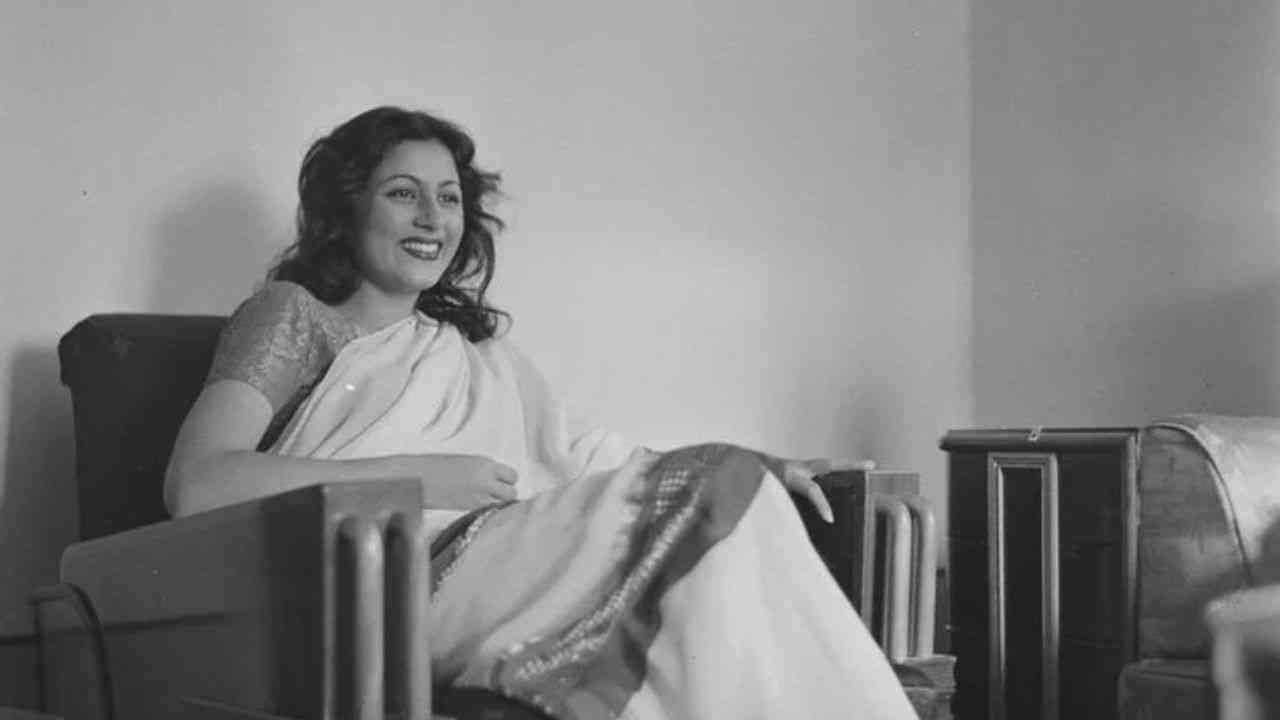
What should have been a carefree childhood turned into a life of responsibility. By the age of seven, she was already working to support her family. Beginning with small roles and radio appearances under the name Baby Mumtaz, she stepped into the film industry not out of ambition, but necessity. Financial hardship shaped her early years, yet her natural talent and captivating presence slowly began to shine through.
Rise of a Timeless StarMadhubala’s journey to stardom was neither quick nor easy. Her early films failed to make a mark, and she often accepted modest pay just to stay employed. However, her perseverance paid off with the success of Mahal, a film that transformed her into a sensation almost overnight.

By the 1950s, she had become one of the most sought-after actresses in Indian cinema. Known as the “Venus of Indian cinema,” she displayed remarkable versatility across genres. Her portrayal of Anarkali in Mughal-e-Azam remains one of the most iconic performances in film history. Even as audiences admired her grace and strength on screen, few realized the immense physical and emotional toll behind her performances.
Love That Ended in SilenceAmong the many stories surrounding Madhubala, her relationship with Dilip Kumar stands out as both beautiful and tragic. Their romance, which blossomed during films like Tarana, captured the imagination of millions.
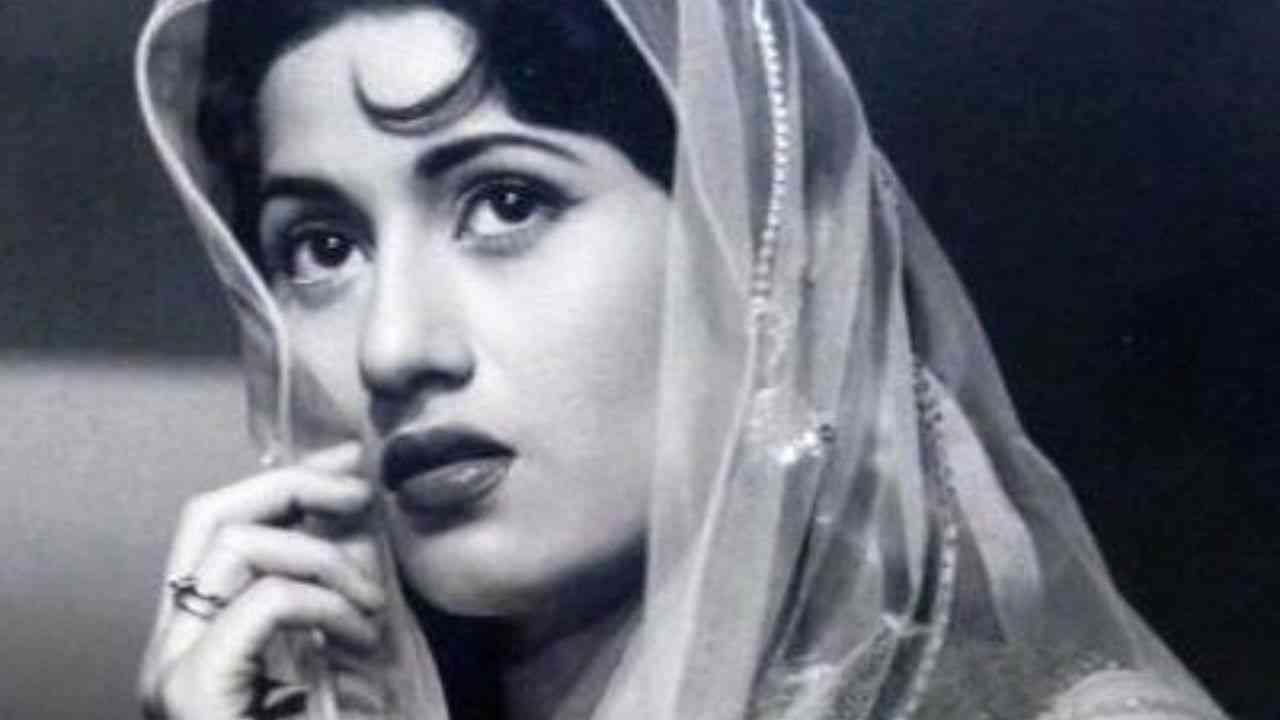
However, their love could not withstand the pressures of family conflicts and professional disputes. The turning point came during the controversy surrounding Naya Daur, when a legal battle placed Dilip Kumar in opposition to Madhubala’s family. His testimony in court deeply hurt her, leading to a painful and public breakup. What once seemed like a perfect love story ended in emotional devastation, leaving a lasting impact on her life.
Illness and a Life in IsolationWhile her career flourished, Madhubala was quietly battling a serious heart condition. Diagnosed with a ventricular septal defect, she lived under constant health risks. Yet, her dedication to cinema never faltered, even during physically demanding shoots like Mughal-e-Azam.
In 1960, she married Kishore Kumar, hoping to find happiness and stability. The couple traveled abroad seeking medical treatment, but doctors declared her condition untreatable. As her health declined, her life became increasingly confined.
Separated from the world she once ruled, Madhubala spent her final years largely indoors, often alone. Reports suggest her marriage faced difficulties, adding to her sense of isolation. Despite being loved by millions, she endured a deep loneliness that few could truly understand.

Madhubala passed away on February 23, 1969, at just 36 years old. Her life, though brief, left an indelible mark on Indian cinema. She remains a symbol of timeless beauty, extraordinary talent, and quiet resilience.
Her story is not just about fame, but about strength. She is known as a woman who gave the world unforgettable performances while carrying immense personal sorrow. Madhubala was more than a screen goddess; she is a lasting reminder that even the brightest stars can hide the deepest pain.