
Control Your Bad Cholesterol: Super Seeds You Need in Your Diet
Including certain seeds in your diet is their ability to help lower bad cholesterol levels. Here are some of the super seeds that will help you lower your bad cholesterol levels.


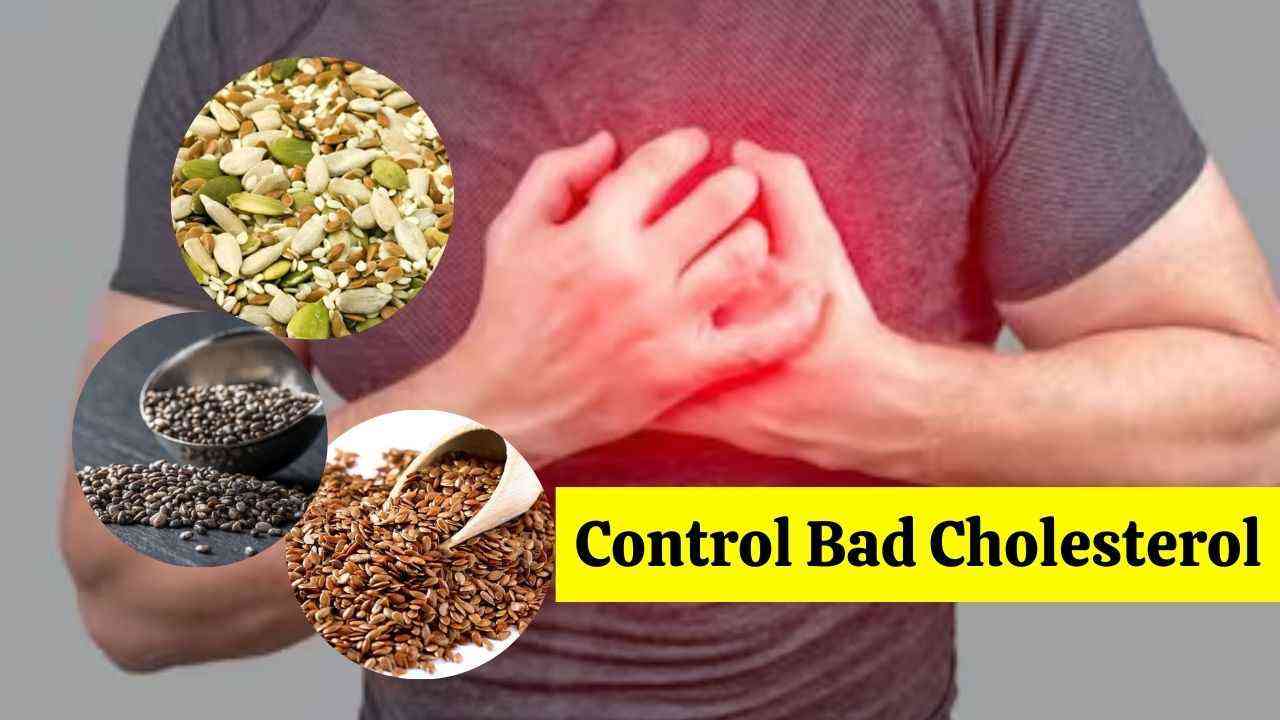
Control Your Bad Cholesterol: Super Seeds You Need in Your Diet
People in the search for better health, turn to superfoods as their secret weapon. Among these nutritional powerhouses, seeds often play a significant role in their dense nutrient profiles and health benefits.

One of the most significant advantages of incorporating certain seeds into your diet is their ability to help lower bad cholesterol levels, thereby promoting heart health and overall well-being. Here we have explored how seeds can be a game-changer for better cholesterol levels.
Understanding Cholesterol
Before we delve into the specifics of super seeds, it's crucial to understand the role of cholesterol in the body. Cholesterol is a waxy substance found in your blood, and while the body needs it to build healthy cells, having high levels of low-density lipoprotein (LDL) cholesterol can lead to plaque buildup in the arteries, increasing the risk of heart disease and stroke. On the other hand, high-density lipoprotein (HDL) cholesterol is often dubbed as "good" cholesterol because it helps remove LDL cholesterol from the arteries.
Role of Super Seeds
Several types of seeds have gained recognition for their cholesterol-lowering properties. These super seeds are rich in various compounds, including soluble fiber, plant sterols, and omega-3 fatty acids, which collectively contribute to reducing LDL cholesterol levels while promoting overall heart health.
_9dfe1a5b61a6685f709eb3d55cc88a35_1280X720.webp)
Flaxseeds:
Flaxseeds are renowned for their high content of alpha-linolenic acid (ALA), a type of omega-3 fatty acid. Studies suggest that ALA may help lower LDL cholesterol levels and reduce inflammation in the body, thus reducing the risk of heart disease. Additionally, flaxseeds are rich in soluble fiber, which can further aid in lowering cholesterol by binding to bile acids and removing them from the body.
_43542ad27b6e165beeaa004dcfa33661_1280X720.webp)
Chia Seeds:
Chia seeds are packed with fiber, omega-3 fatty acids, and plant-based compounds called phytosterols. These phytosterols have been shown to inhibit the absorption of cholesterol in the intestine, leading to lower LDL cholesterol levels. Furthermore, the soluble fiber content in chia seeds can help regulate cholesterol levels by promoting a feeling of fullness and aiding in digestion.
Hemp Seeds:
Hemp seeds are a nutritional powerhouse, containing a balanced ratio of omega-3 and omega-6 fatty acids. These fatty acids play a crucial role in reducing inflammation and supporting heart health. Additionally, hemp seeds are rich in gamma-linolenic acid (GLA), which has been linked to lower levels of LDL cholesterol and improved lipid profiles.
_69c3e3816a6bfafa07a72b041d837ae9_1280X720.webp)
Pumpkin Seeds:
Pumpkin seeds, also known as pepitas, are a rich source of phytosterols, antioxidants, and omega-3 fatty acids. Studies have shown that consuming pumpkin seeds regularly may help lower LDL cholesterol levels and reduce the risk of cardiovascular disease. Furthermore, the magnesium content in pumpkin seeds can help regulate blood pressure and improve overall heart function.
How To Add Super Seeds to Your Diet?
Adding super seeds to your daily diet is easy and versatile. You can sprinkle them over yogurt or oatmeal, blend them into smoothies, or incorporate them into baked goods such as muffins or bread. Additionally, you can use ground seeds as a nutritious topping for salads or incorporate them into homemade energy bars or granola.
- PTC PUNJABI





Popular Posts
-

Rakhi Sawant breaks down into tears during her song launch 'Jhootha'; Watch Video
-

Oscars 2023; When, Where and How? Everything you need to know about this years Academy Awards
-

Diljit Dosanjh praises Parineeti Chopra; says 'film ch kamaal kam kita'
-

Harinder Singh Sidhu: A dose of entertainment with YouTuber-actor-producer Dxx
-

'Kali Jotta': Neeru Bajwa, Satinder Sartaaj's film ticket prices reduces; available at Rs 112